
Dr. Catherine Cifuentes-Rojas is formalizing a personal practice of regular reverse mentorship sessions with junior computational and bench scientists, and is encouraging other R&D leaders in biotherapeutics to adopt the same standard.
BOSTON, MA / ACCESS Newswire / October 30, 2026 / Catherine Cifuentes-Rojas, Ph.D., Director and Lead for Genetic Medicines and Biologics at Ginkgo Bioworks, is announcing a personal commitment: monthly sit-downs with junior bioinformaticians, machine learning engineers, and computational designers to learn their tools and workflows firsthand.
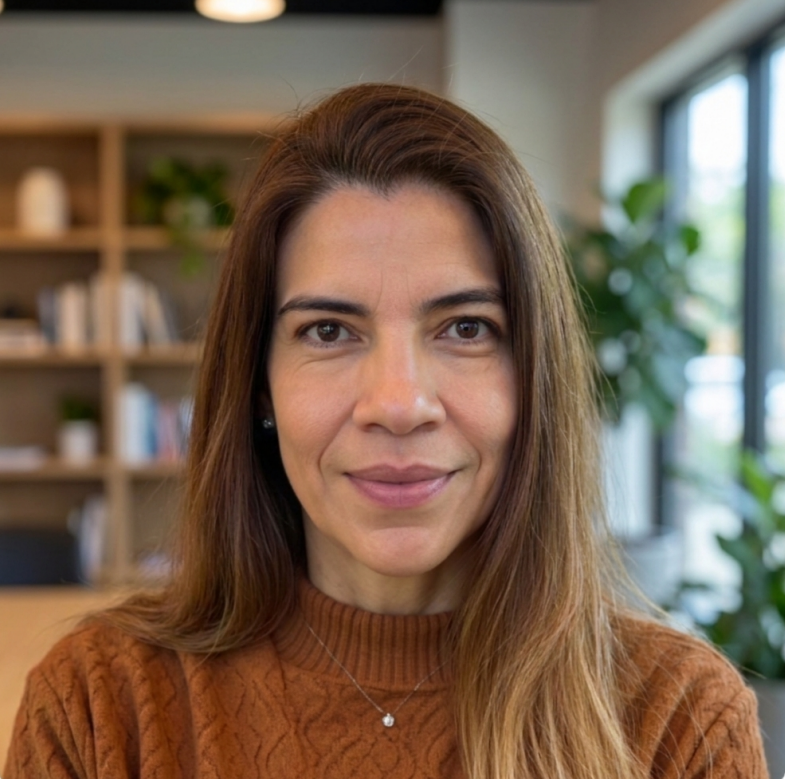
She calls the practice reverse mentorship. Rather than only advising junior staff, she sets time aside to be taught by them.
“The moment a leader stops asking questions is the moment their growth stops,” Cifuentes-Rojas said. “I have spent my career moving between disciplines, from malaria immunology to RNA biology to biologics platforms. Each move meant admitting what I didn’t know yet.”
Why she is making it a standing commitment, not a one-off
Cifuentes-Rojas has directed cross-functional teams in the heavily matrixed environment of Ginkgo, spanning wet-lab biology, automation, and computational design. She said the pace of change in tools like AI-guided drug design and lab robotics makes informal learning too easy to skip.
“If reverse mentorship stays optional, it gets pushed out by deadlines every time,” she said. “Putting it on the calendar, once a month, no exceptions, is what makes it real.”
Her commitment has three parts:
- A recurring monthly session with a junior computational team member, chosen on rotation, to walk through their current modeling or data workflow.
- A short written note afterward, capturing one technical concept she learned and one process improvement worth sharing with her own team.
- An open invitation to any scientist on the Ginkgo teams to request a session, rather than waiting to be picked.
Where the idea comes from
Cifuentes-Rojas traces the habit back further than her time in biopharma. Raised in the Andean foothills of Colombia by two elementary school teachers, she taught herself English and French as a child so she could read literature and watch films in their original languages. She has said learning has always felt like a form of joy to her, not a task.
That same instinct followed her through a Ph.D. in Genetics at Texas A&M University, where she pivoted into RNA biochemistry, and later into her postdoctoral work and faculty appointment at Massachusetts General Hospital and Harvard Medical School, where she studied long non-coding RNAs.
“Bridging traditional immunology with computational and AI teams meant breaking down technical silos that had built up over years,” she said. “The only way through was intentional humility. Listening, learning their language, and staying grounded is the reason I got into science in the first place.”
What she hopes other leaders take from it
Cifuentes-Rojas said she is sharing the practice publicly because she thinks other scientific executives face the same pressure to stop learning once they reach senior roles.
“Titles can create distance between a leader and the people doing the newest technical work,” she said. “Reverse mentorship closes that distance on purpose. It also tells your junior scientists, directly, that their expertise counts.”
She added that the practice has a practical payoff beyond goodwill. Teams that mix deep mechanistic biology with computational and automation expertise, she said, move faster when the leader understands both sides well enough to ask good questions.
“I don’t need to be the best coder on my team,” Cifuentes-Rojas said. “I need to understand enough to ask the right question at the right moment, and to know when to trust what the model is telling us.”
To read more, visit the website here.
About Catherine Cifuentes-Rojas
Catherine Cifuentes-Rojas, Ph.D., is Director and Lead for Genetic Medicines and Biologics, at Ginkgo Bioworks in Boston, Massachusetts. She has more than 15 years of experience advancing RNA therapeutics, genetic medicines, cell therapies, and biologics platforms from target discovery through pre-clinical enablement. Her earlier roles include Associate Director of Discovery Biology and Interim Head of In Vivo Pharmacology at Sail Biomedicines, and a faculty appointment as Assistant in Molecular Biology at Massachusetts General Hospital and Harvard Medical School. She holds a Ph.D. in Genetics from Texas A&M University and is a recipient of the National Academy of Sciences Cozzarelli Prize in Biological Sciences.
Contact:
Info@catherinecifuentesrojas.com
SOURCE: Catherine Cifuentes-Rojas
View the original press release on ACCESS Newswire


