Originally Posted On: https://waterfiremoldtips.com/queens-ny-fire-damage-restoration-company-insights-for-multifamily-buildings-after-electrical-fires/
Key Takeaways
- Act fast with a qualified fire damage restoration company after an electrical fire, because the first 24 hours shape how far smoke, soot, water, and corrosion spread through a multifamily building.
- Document the loss before cleanup starts by capturing unit conditions, shared-area damage, HVAC exposure, and fire-resistive assembly impacts—this gives restoration contractors and carriers a clearer scope from day one.
- Check for more than visible burns: a fire damage restoration company should inspect wall cavities, corridor ventilation, electrical rooms, and suppression-related water damage that can trigger mold within 24 to 48 hours.
- Ask tougher questions before hiring restoration services, especially in occupied or regulated buildings—air control plans, phased work areas, insurance documentation, and experience with high-occupancy properties matter.
- Focus on building systems, not just surface repair, since fire damage restoration in Queens multifamily properties often involves structural drying, odor removal, electrical trade coordination, and reconstruction sequencing across multiple units.
- Avoid piecemeal hiring after a fire loss; one contractor-led restoration scope usually prevents missed damage, scheduling clashes, and reopening delays that drive up total repair costs.
An electrical fire in a Queens multifamily building rarely ends when the flames are out. Within minutes, smoke pushes through corridors and wall cavities, sprinkler or hose water starts soaking flooring and framing, and one affected unit can turn into a full-building operations problem before the property team has even finished the first incident call. That’s where a fire damage restoration company stops being a vendor and starts being part of risk control.
In dense apartment and mixed-use buildings, the damage pattern is almost never limited to the burn area. Soot travels. Odor settles deep into porous materials. Water from suppression moves downward fast — sometimes across two or three floors — and the hidden issues are often the ones that cost owners the most 72 hours later. Wet insulation behind a fire-rated wall, residue inside a return duct, and a damaged electrical room that can’t be rushed back online. Small miss, big bill.
Queens property managers are feeling that pressure more often because the building stock is aging, electrical loads keep climbing, and tenant expectations haven’t gotten any easier (nor have documentation demands from carriers and regulators). Realistically, the first decisions after an electrical fire shape the whole recovery timeline: who controls access, who documents conditions before demolition, who tests for moisture and contamination, and who can coordinate cleaning, drying, repair, and reoccupancy without turning one loss into three separate projects. In practice, the difference between a contained recovery and a six-month mess usually shows up right at the start.
Why a Fire Damage Restoration Company Matters in Queens Multifamily Buildings Right After an Electrical Fire
The first 24 hours: smoke, soot, water, and hidden building damage
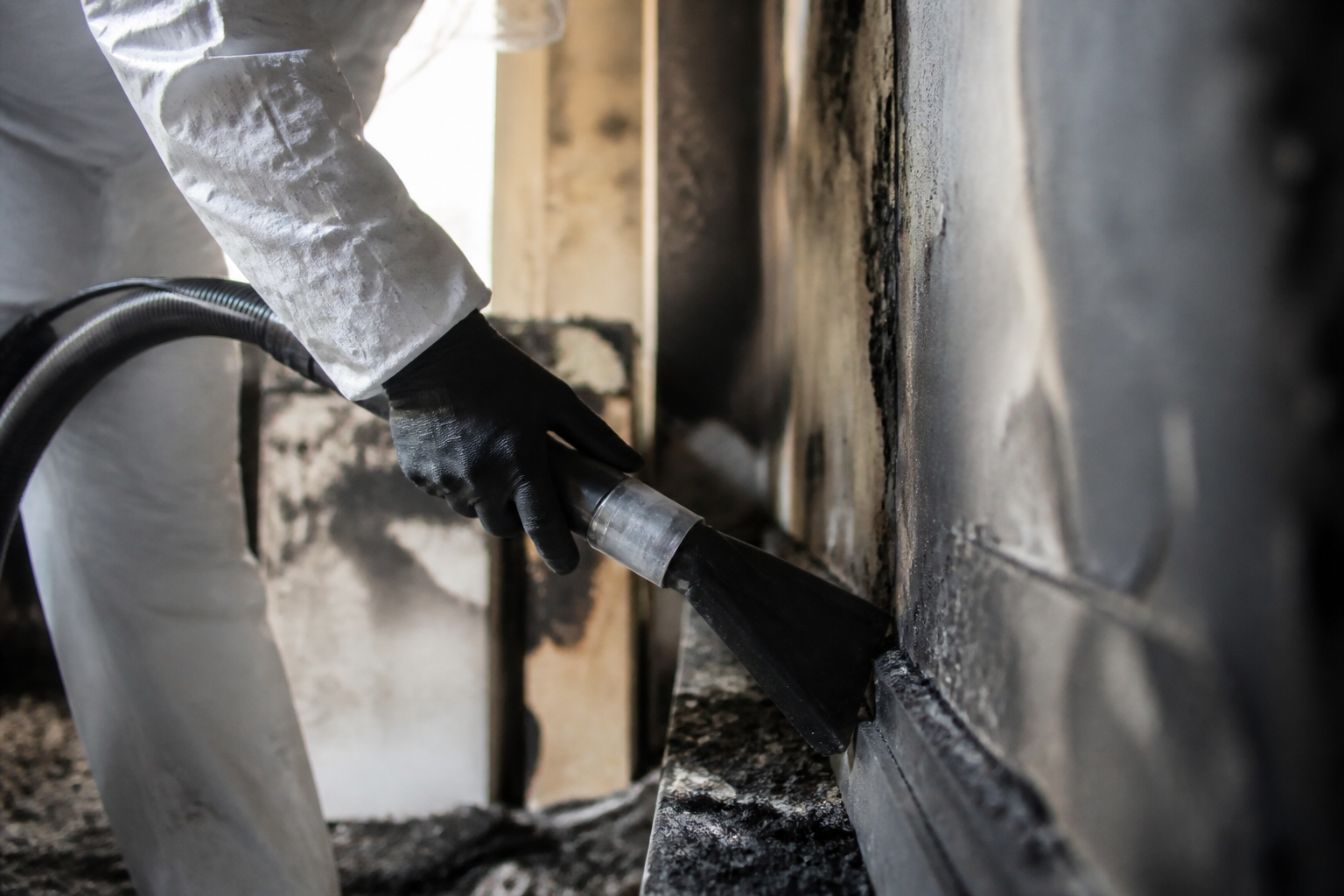
Electrical fires in Queens multifamily buildings rarely end when the flames are out. The first 24 hours usually bring four separate problems at once: smoke residue, acidic soot, water from suppression, and hidden damage inside wall cavities, ceiling plenums, and utility chases. In practice, that mix is what turns a small room fire into a building-wide restoration problem.
Property teams searching for a fire damage restoration company are usually dealing with more than burned finishes. They need a crew that can stabilize the building, assess structural concerns, document affected units, and control cross-contamination before cleanup starts. Smoke travels fast—through corridors, elevator shafts, and shared ventilation runs—and soot starts etching metal, glass, and painted surfaces within hours.
Why apartment layouts make fire damage restoration harder than single-family homes
Multifamily construction changes everything. A single electrical fire in one apartment can affect three floors, two riser lines, a corridor return-air path, and neighboring units that show no visible burns but still carry odor and particulate contamination. That’s a different job from cleaning a detached house with isolated damage.
Queens buildings also bring tight shafts, older wall assemblies, mixed-use occupancies, and patchwork renovations. One stack might have original plaster over masonry; the next has lightweight framed partitions with newer fire-resistant board. That matters because restoration scope depends on the type of assembly, the depth of heat exposure, and whether fire-resistive components still meet code intent after demolition begins.
Real results depend on getting this right.
What property teams need documented before cleanup starts
Before debris removal, the building team should have clear records on unit access, tenant complaints, affected MEP zones, emergency shutoffs, and pre-loss conditions. Photos are part of it. Moisture maps, soot pattern notes, odor migration observations, and equipment logs matter just as much.
And this is where weaker crews get exposed.
A strong team documents damaged wall sections, suppressed areas, char depth, smoke spread, and standing water conditions before tearing into construction assemblies—because once demolition starts, the original cause-and-effect trail gets harder to prove for carriers, engineers, and ownership.
- Capture every affected unit and common area before moving contents
- Log electrical shutoff points and temporary power conditions
- Record HVAC zones, stairwell pressure conditions, and elevator status
- Map visible soot, moisture, and damaged structural elements
- Separate salvageable contents from unsafe materials early
Electrical Fires in Queens: Why This Search Is Rising for Commercial and Multifamily Property Managers
Aging panels, overloaded circuits, and in-unit appliance failures
Queens has no shortage of older building stock, — electrical infrastructure is a recurring weak point. Panels that should’ve been replaced 20 years ago are still in service. Extension-heavy living patterns, high-load kitchen equipment, window AC units, and tenant-installed appliances push circuits past what they were built to carry.
That reality explains why searches tied to fire damage restoration, repair, and emergency service keep climbing in dense urban markets. The issue isn’t just the initial flame event. It’s the chain reaction after it—sprinkler discharge, fire department hose water, smoke migration, damaged suppression system parts, and uncertainty about whether the building can stay occupied.
Local code pressure, tenant safety concerns, and reopening timelines
In occupied multifamily and mixed-use buildings, owners don’t get the luxury of waiting a week to form a plan. They need life-safety answers fast: which units are habitable, what corridors need cleaning, whether air handling can run, and what temporary protections are needed to keep the building stable.
And that’s where most mistakes happen.
For healthcare-adjacent sites, school properties, and regulated commercial spaces, the stakes are higher. Indoor air quality isn’t a side issue. It sits right next to infection control, occupant protection, and inspection readiness. One Brooklyn restoration consultant with experience in emergency recovery work puts it plainly: if particulate control isn’t handled first, the cleanup crew can spread the loss farther than the fire did.
Why delayed action turns a small fire event into a larger restoration job
Time loss after suppression is expensive. Soot continues to bond to porous finishes. Water trapped behind base, under flooring, and above suspended ceilings creates a separate moisture event. A 300-square-foot electrical room fire can become a 12-unit smoke and water claim in less than two days if no one isolates air movement, starts drying, or checks concealed spaces.
Short version. Delay multiplies scope.
That is why some commercial teams start by comparing fire damage repair companies before they even know the full extent of demolition. They need a contractor that can think like restoration, not just cleanup, because demo-first decisions often destroy evidence of where water traveled — how smoke moved through the building system.
What a Fire Damage Restoration Company Actually Does for Multifamily and Mixed-Use Buildings
Emergency board-up, site stabilization, and hazard control
A real restoration scope starts with stabilization. Open windows, damaged entry doors, compromised ceilings, and partially burned wall sections may need board-up, temporary barriers, or tarping. The goal is to stop weather intrusion, restrict unauthorized access, and control risk while inspections continue.
Hazard control also includes identifying energized areas, damaged circuits, slip hazards from suppression water, and unsafe overhead materials. In mixed-use buildings, retail below and apartments above can mean separate occupancy issues under one roof—and that changes phasing, access, and containment planning right away.
Smoke damage cleaning, odor removal, and HVAC contamination checks
Smoke cleanup isn’t a wipe-down job. Soot particle size changes by fuel source, oxygen level, and burn temperature, so the cleaning method for a kitchen fire differs from what works after an electrical panel event. Some residues are dry and powdery. Others smear, stain, and corrode. Use the wrong method, and the surfaces get worse.
No shortcuts here — this step actually counts.
That is why smoke damage restoration in multifamily buildings should include HVAC checks, filter replacement, duct inspection where needed, and odor source tracing beyond the fire room itself. If smoke entered return pathways, common corridors, or vertical shafts, cleaning only the apartment of origin misses the actual problem.
Water extraction, structural drying, and mold prevention after suppression efforts
Every fire job has a water story. Sprinklers discharge where heat reaches them, and hose streams often soak areas nowhere near the seat of the fire. That means floors, insulation, framing, sheathing, and concrete toppings may hold moisture long after surfaces feel dry.
Wood framing, gypsum, masonry, and fireproofing materials all release moisture at different rates. If drying is rushed—or skipped because the visible fire damage seems more urgent—mold growth can begin in 48 to 72 hours, especially in warm enclosed cavities.
Repair, reconstruction, and return-to-occupancy coordination
Restoration doesn’t stop at cleanup. The building often needs repair of wall assemblies, ceilings, flooring, electrical distribution areas, doors, hardware, and code-related components tied to fire resistance or smoke control. In larger losses, reconstruction has to be sequenced around tenant access, inspections, engineering review, and temporary protections.
Not complicated — just easy to overlook.
That’s why property managers often prefer one fire restoration company that can move from mitigation to rebuild without handing the file off to unrelated trades. Fewer gaps. Less finger-pointing. Better records.
How to Evaluate a Fire Damage Restoration Company for Regulated and High-Occupancy Buildings
Required certifications, insurance, and documented safety procedures
Not every contractor that advertises fire cleanup is ready for a high-occupancy building. Owners should verify training tied to water restoration, smoke and odor work, microbial controls, and contents handling. Insurance matters too, but paperwork alone isn’t enough. The crew should have written procedures for containment, negative air, debris handling, worker protection, and occupant separation.
Ask for sample daily logs, drying reports, photo documentation, and chain-of-custody records if testing is part of the job. If they can’t show how they document a loss, that’s a warning sign.
Experience with healthcare-adjacent spaces, schools, and occupied buildings
Experience in occupied settings counts more than glossy marketing. A contractor may be good at cleaning vacant homes and still fail badly in a clinic-adjacent building, senior housing site, or school property where air quality, route control, and after-hours phasing matter every day.
Searches for home fire restoration companies often lead owners to crews built for single-family losses, not dense multifamily properties with elevators, shared risers, and regulated occupancy rules. The gap shows up fast once containment, occupant notices, and phased demolition start.
Questions to ask about containment, air quality, and phased work plans
Here’s what most people miss: the best interview questions are operational. Not branding questions. Ask how they separate clean and dirty paths, how they monitor drying, what they do if soot is found inside a return duct, and how they keep unaffected tenants from breathing demolition dust.
- What containment method will be used in corridors and occupied floors?
- How will soot and odor migration be checked in adjacent units?
- Who tracks moisture readings and drying targets each day?
- What is the plan for elevator protection, common areas, and waste removal?
- Can they coordinate with licensed electrical, mechanical, and engineering teams?
One more thing—if the answer to every question is “we’ll figure it out on site,” the building team should keep looking.
Simple idea. Harder to get right than it sounds.
Fire Damage Restoration Services That Protect Building Systems, Not Just Surfaces
Structural framing, wall assemblies, and fire-resistive components
Burned paint and blackened ceilings are visible. Structural and fire-resistive damage often isn’t. Heat can warp light-gauge framing, compromise fasteners, crack masonry finishes, and reduce the performance of wall assemblies that are supposed to slow fire spread between units and corridors.
That means the contractor has to think beyond cosmetic repair. In older Queens construction, hidden framing pockets, patched penetrations, and mixed material systems make it easy to miss breaches in rated walls. If those assemblies aren’t restored correctly, the building may look clean and still fail inspection later.
Electrical room cleanup and coordination with licensed trades
Electrical fires bring a narrow but serious problem set.
Soot inside panels, heat-damaged conductors, contaminated switchgear rooms, and suppression water near energized equipment all call for coordination with licensed electrical trades. Restoration crews clean and stabilize; they don’t guess on re-energization.
Search demand for a fire damage restoration service near me usually spikes after an owner hears that phrase from an electrician or carrier rep: “Don’t touch anything until it’s documented.” That’s the right instinct. Once panel rooms are cleaned the wrong way, evidence of arc path, residue depth, and water exposure can be lost.
It’s a small distinction with a big impact.
Elevator shafts, corridors, and shared ventilation risks in multifamily construction
Shared systems are where a lot of losses widen. Smoke can rise through elevator shafts, move through corridor transfer paths, and settle in makeup air routes or duct liners. One burned appliance in a fifth-floor unit can leave odor complaints on floors six through nine even when those units show no visible soot.
So what does that mean in practice? Corridor carpet, wall coverings, shaft surfaces, and HVAC components may need inspection and cleaning as part of the same claim—not as a separate comfort issue. That’s building protection, not overreach.
The Real Cost Drivers Behind Fire Damage Restoration Company Work in Queens Buildings
Unit count, smoke spread, and the depth of demolition required
The cost of recovery isn’t based on flame area alone. In multifamily work, pricing can swing hard based on how far the smoke spreads, how many units need access, whether contents handling is required, and how much demolition is needed to reach wet or contaminated cavities.
A two-unit event with heavy soot in corridors can cost more than a larger but contained room fire. Why? Access, cleaning detail, tenant coordination, off-hours work, and selective demolition all add labor. Queens buildings with occupied units also bring higher protection and scheduling demands than empty structures.
This is the part people underestimate.
Water damage, flood cleanup, and dehumidification after the fire department response
Suppression water can become the sleeper issue in a fire claim. Hose lines often send water down wall chases, stair towers, elevator pits, and below-finish floor systems. If crews don’t treat that as a second event—something closer to internal flood cleanup than surface drying—the job is under-scoped from day one.
That is why searches for fire damage restoration near me often overlap with requests for water extraction and dehumidification. The building doesn’t care which trade caused the moisture. Wet materials still fail, microbial growth still starts, and odors still set in.
Temporary relocation, contents handling, and rebuild sequencing
Contents handling gets expensive fast in multifamily buildings. Furniture, tenant records, retail inventory, medical supplies, and electronics may need pack-out, cleaning, storage, or disposal. Add temporary relocation for residents, and the soft costs start climbing before reconstruction even begins.
Demolition has to finish before rough repair. Electrical and HVAC work may need inspection before close-up. Common area finishes often wait until heavy traffic drops. That’s why a realistic cost review looks at the whole timeline, not just debris removal and paint.
Choosing a Fire Damage Restoration Company for Commercial Multifamily Losses
What commercial searchers usually need: response speed, documentation, and tenant protection
Owners aren’t browsing for decorating ideas after a fire. They need response speed, records that hold up under claim review, and a plan that protects tenants while work moves forward.
The phrase fire damage restoration new york often shows up in searches from teams trying to find local coverage with enough staffing depth to manage occupied buildings, emergency board-up, drying, and repair under one scope. That local angle matters because travel delays and weak subcontractor networks slow every phase.
How restoration contractors support insurance scope reviews and engineering reports
Good restoration contractors don’t replace adjusters or engineers. They support them with evidence. That includes photo logs, moisture records, demolition findings, cleaning counts, equipment reports, and notes on damaged structural or fire-resistant building components.
Most guides gloss over this. Don’t.
In bigger losses, engineers may need to review framing exposure, load-path concerns, fireproofing conditions, or damaged assemblies in mechanical and electrical rooms. The contractor’s records help those reviews move faster—and with fewer disputes over what was actually damaged before tear-out.
What separates a qualified contractor from a demo-only crew
Demo-only crews remove damage.
Qualified restoration teams manage the building throughout the whole event. They understand contamination control, drying, phased occupancy, material salvage, odor source removal, and how one decision in the morning can affect claim scope two weeks later.
Anyone can swing a hammer. Not everyone can protect a functioning property while rebuilding it.
For owners comparing vendors, published fire restoration company hiring tips can help frame the right questions early, before a rushed award creates avoidable problems.
Building Owners Make After an Electrical Fire Loss
Starting construction before the moisture and soot testing is finished
One common mistake is pushing straight into reconstruction because the visible burn area looks limited. That can backfire. If moisture remains in subfloors, wall cavities, or shaft spaces, new finishes trap the problem instead of fixing it.
Soot is just as tricky. Fine residue can remain on framing, above ceilings, and inside mechanical paths after the obvious debris is gone. Rebuilding before verification means callbacks, odor complaints, and reopened walls later. Painful and expensive.
Ignoring odor migration through chases, ducts, and wall cavities
Odor complaints often come from spaces that never burned. That’s because smoke follows pressure, pathways, and gaps in construction. Plumbing chases, duct penetrations, wall cavities, and corridor doors become routes for migration, especially in older multifamily buildings with years of field modifications.
Worth pausing on that for a second.
Property teams that treat odor as a cosmetic issue usually miss the source.
Hiring separate contractors without a clear restoration scope
Another mistake is splitting the event between unrelated cleanup crews, demo crews, drying vendors, and general contractors with no central scope. On paper, that looks cheaper. On-site, it creates overlap, missed damage, bad records, and blame shifting.
Even searches for a fire damage restoration company sometimes start after ownership has already hired three separate trades and realized nobody is tracking the whole building.
A Smarter Recovery Plan for Queens Multifamily Buildings After Fire Damage
Phase 1: stabilization and life-safety controls
The first phase of work should focus on making the property safe and controlled. That means securing openings, isolating affected areas, checking electrical hazards, documenting conditions, and putting a plan in place for tenant movement, elevator use, debris routes, and temporary environmental controls.
For regulated or healthcare-adjacent environments, this phase should also address air pressure strategy, cleaning boundaries, worker PPE, and protection of adjacent occupied spaces. The building can’t wait for perfection. It does need order.
Phase 2: cleaning, drying, and damaged material removal
Second-phase work is where disciplined restoration earns its value. Crews clean salvageable surfaces, remove materials that can’t be saved, dry wet assemblies, inspect hidden conditions, and continue odor and particulate control as demolition progresses. This is also the phase where proper notes, counts, and testing protect the claim.
It’s not the only factor, but it’s close.
Owners looking for a fire damage restoration company after an electrical event should expect a written scope that separates salvage cleaning from discard, identifies water-affected areas, and shows how common spaces will stay usable during work. If that scope isn’t clear, the project won’t be either.
Phase 3: repair, reconstruction, and reoccupancy planning
Last phase. Repair and reconstruction should restore not just appearance but building function: rated assemblies, doors, wall systems, ceilings, electrical infrastructure, finishes, and shared-space conditions needed for safe occupancy. Reoccupancy planning should be staged by area, with clear closeout records for each floor or zone.
And for Queens owners dealing with mixed-use or dense multifamily stock, the best recovery plans tie all of this together—mitigation, drying, smoke cleaning, repair, and phased return—before the first demolition cart rolls down the corridor.
Frequently Asked Questions
How much does it cost to restore a fire-damaged house?
Costs vary based on the size of the loss, how far the smoke and soot traveled, and whether the structure needs repair, demolition, or partial reconstruction. A small contained fire may cost a few thousand dollars to clean and repair, while a major loss in a commercial building or house can run into the tens of thousands. The honest answer is that a fire damage restoration company has to inspect the site before anyone can price it with a straight face.
Are fire restoration companies worth it?
Yes—especially after a serious fire, smoke event, or suppression system discharge. A qualified fire damage restoration company handles soot cleanup, odor removal, structural drying, debris removal, — repair in the right order, which helps stop hidden damage from getting worse. DIY cleanup usually misses what matters most: acidic soot, wet insulation, and smoke contamination inside wall cavities and HVAC systems.
What should property teams look for if they need a fire damage restoration company?
Start with response time, documentation habits, and experience in occupied commercial or regulated spaces. Ask whether the contractor can manage board-up, water extraction after sprinkler discharge, air filtration, content cleaning, and reconstruction—because splitting that work across three contractors usually slows the job down. In sensitive sites, they also need clear containment plans and indoor air quality controls.
What does a fire restoration company do?
A fire damage restoration company secures the building, removes water left by firefighting or suppression systems, cleans soot and smoke residue, deodorizes affected areas, and repairs damaged materials. In larger losses, the company may also coordinate engineering reviews, structural stabilization, selective demolition, and rebuild work. It isn’t just cleaning. It’s recovery, safety, and getting the property back into usable condition.
How fast should a restoration crew start after a fire?
Immediately. Soot can stain surfaces within hours, and water from sprinkler systems or hose lines can start swelling drywall, damaging flooring, and feeding mold growth in a day or two. Fast action matters even more in healthcare, multi-tenant, and regulated commercial settings—downtime gets expensive fast.
Experience makes this obvious. Theory doesn’t.
Will insurance cover fire damage restoration services?
Often, yes, but the scope depends on the policy, the cause of the fire, and how well the damage is documented. A fire damage restoration company should provide photos, moisture readings, room-by-room notes, and itemized scopes that help support the claim. Sloppy documentation is where claims start getting cut down.
Can a building still have smoke damage even if the fire was small?
Absolutely. A small fire in one room can push smoke through return air paths, above ceiling lines, and into adjacent offices or patient areas (that’s where surprises show up). The visible burns may be limited, but the odor, residue, and corrosion risk can spread much farther.
How long does fire damage restoration take?
Minor smoke cleanup may take a few days.
A larger commercial fire with water damage, damaged wall assemblies, electrical issues, and reconstruction can take weeks or longer.
Do fire damage restoration companies handle water damage too?
They should. Most fire losses also involve water from sprinklers, standpipes, or fire department response, so drying and dehumidification are part of the same job. If a contractor treats fire and water as separate events, that’s a red flag.
Is it safe to stay in a building after a fire?
Not until the site has been assessed for structural damage, air quality issues, electrical hazards, and contamination from soot or suppression residue. In commercial buildings, that review should cover HVAC spread, fire-resistant assemblies, and any compromised protection systems. Realistically, re-entry decisions shouldn’t be guesswork.
For Queens multifamily owners and property teams, the damage after an electrical fire rarely stops at the burn area. Smoke moves fast, suppression water settles into assemblies, and odor can travel through shafts, ductwork, and wall cavities long after the scene looks under control. That’s why the early decisions matter so much—documentation has to come before demolition, moisture and contamination have to be verified, and one coordinated scope has to guide the work.
A qualified fire damage restoration company should be able to stabilize the site, protect occupied areas, track hidden spread, and coordinate the path back to safe occupancy without turning a contained event into a longer, costlier disruption. In high-occupancy buildings, that means paying attention to building systems, tenant safety, and phased work plans, not just visible cleanup. Miss that, and the same property can end up dealing with odor complaints, mold growth, or reopened walls weeks later.
That step will save time, protect the claim, and put the building on firmer ground from day one.
Dual Restoration
5308 13th Ave Suite 615
Brooklyn, NY 11219
(347) 309-7119
https://www.dualrestoration.com/
Visit Our Google Profile
Dual Restoration
5308 13th Ave Suite 615
Brooklyn, NY 11219
(347) 309-7119
https://www.dualrestoration.com/
Visit Our Google Profile