Key Takeaways
- Ionic foot spas work through electrolysis to create negative ions that proponents suggest may support the body’s natural detoxification processes and reduce oxidative stress
- Many protocols suggest 2-3 sessions per week, with some recommending up to 4-5 sessions for specific goals, typically for 30 minutes each. Beginners should start with shorter, less frequent sessions
- Critical safety precautions include avoiding use with pacemakers, pregnancy, and open wounds, while maintaining proper water temperature and electrical safety
- The water color changes during sessions are primarily from electrode corrosion, not direct evidence of toxin removal from the body
- Users consistently report relaxation benefits and improved sleep quality, suggesting positive effects on the autonomic nervous system
Ionic foot spas have gained popularity among health-conscious individuals seeking at-home wellness solutions. Understanding proper usage guidelines, safety protocols, and realistic expectations helps maximize benefits while minimizing risks. This guide examines evidence-based recommendations for safe and effective ionic foot spa use.
What Actually Happens During Ionic Foot Bath Sessions
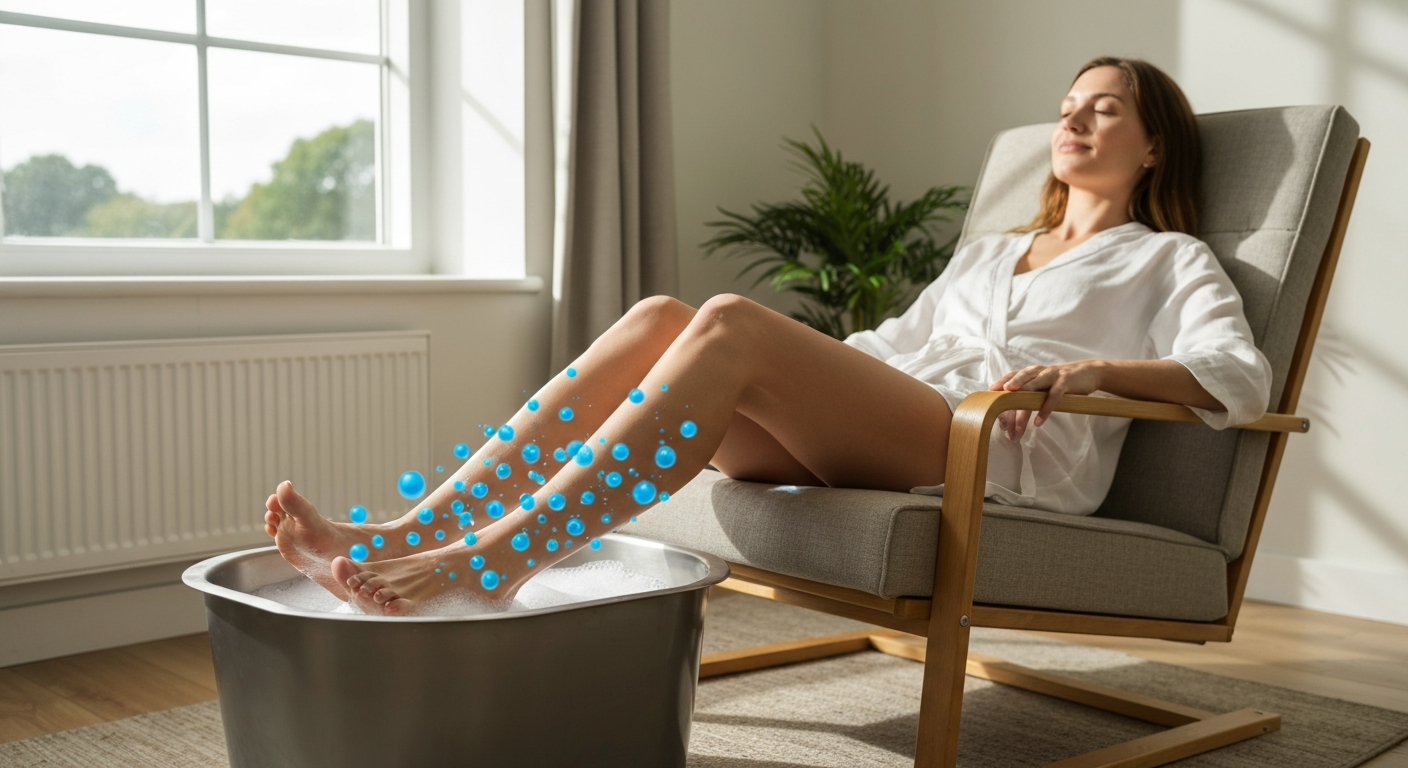
During an ionic foot bath session, an electrolysis process creates positive and negative ions in the water through a specialized electrode array. This controlled electrical current splits water molecules, generating positive and negative ions. Proponents suggest that these ions, particularly negatively charged ones, interact with the body through the feet’s pores. Proponents suggest the process mimics natural grounding or “earthing” principles, where the body may receive free electrons to help neutralize positively charged free radicals.
Proponents suggest the mechanism centers on bioelectrical balance restoration. Proponents explain that these negative ions are believed to be absorbed through the skin, potentially influencing the body’s internal electrical potential. This electron transfer is suggested by proponents to help reduce oxidative stress and inflammation by stabilizing the bioelectrical environment within cells and tissues. Proponents suggest the process creates conditions similar to direct earth contact, utilizing water as a conductor to facilitate ion exchange.
Rather than directly extracting toxins through the feet, the primary detoxification occurs through the body’s natural elimination pathways—urine, feces, and perspiration—over the days following treatment. For instance, Healifeco’s ionic foot spa system utilizes this bio-electronic ionization approach to support the body’s natural rebalancing processes. The immediate effects users experience often relate to autonomic nervous system modulation rather than direct toxin removal.
Popular Usage Protocols and Their Origins
Healifeco’s Recommended 4-5 Session Weekly Schedule
Healifeco recommends using their ionic foot bath 4 to 5 times per week for 30-minute sessions, maintained consistently for 6 to 12 months to achieve meaningful cumulative results. This intensive protocol aims to establish sustained bioelectrical balance rather than achieving immediate dramatic changes. The company’s guidelines emphasize that benefits accumulate over time through repeated exposure to negative ion therapy.
This frequency allows the body to adapt gradually to the electrical rebalancing process while supporting natural detoxification pathways. The 30-minute duration provides sufficient time for ion absorption without overexposing tissues to electrical stimulation. Users following this protocol often report the most significant improvements in energy levels, sleep quality, and overall well-being after several weeks of consistent use.
Shorter Sessions: Better For Beginners?
Alternative wellness practitioners often suggest starting with 2-3 sessions per week, particularly for newcomers to ionic therapy. Some recommend structured programs like 8 sessions over 4 weeks or 12 sessions over 6 weeks, followed by monthly maintenance sessions. This graduated approach helps individuals assess their body’s response and avoid potential side effects from rapid bioelectrical changes.
Shorter initial sessions of 15-20 minutes may benefit sensitive individuals or those with chronic health conditions. This conservative approach allows practitioners to monitor for adverse reactions while gradually building tolerance to the electrical stimulation. Many users find this gentler introduction more comfortable and sustainable long-term.
Safety Guidelines and Risk Factors
Medical Contraindications for Electrical Devices
Ionic foot baths are contraindicated for individuals with pacemakers or other internal electronic devices due to potential electrical interference. The electrical current generated during sessions could disrupt these life-sustaining devices, creating serious health risks. Pregnant and breastfeeding women should also avoid ionic foot baths, as the effects on developing fetuses and nursing infants remain unknown.
People with epilepsy face increased seizure risks from electrical stimulation, making ionic foot baths inadvisable without medical supervision. Open wounds, cuts, or infections on the feet create pathways for electrical current that could cause burns or interfere with healing. Individuals with severe heart conditions, kidney disease, or diabetes should consult healthcare providers before beginning ionic foot bath therapy.
Potential Electrical Safety Risks
Electrical safety requires careful attention to prevent shock, burns, or electrocution. Always connect devices to properly grounded outlets with functioning GFCI protection. Inspect electrical cords and connections before each use, looking for fraying, cracks, or damage that could expose live wires. Never use ionic foot baths near other electrical appliances or with wet hands.
Water and electricity create inherently dangerous combinations requiring vigilant safety measures. Ensure the device remains on stable, dry surfaces away from sinks, tubs, or other water sources. Keep backup power sources and extension cords away from treatment areas to prevent accidental immersion or contact with conductive surfaces.
Home Use Safety Precautions
Maintain water temperature between 37°C and 40°C (98°F to 104°F) to prevent burns while ensuring comfort during sessions. Temperatures above 40°C can cause skin damage, while cooler water reduces ion absorption effectiveness. Use a reliable thermometer to verify temperature before beginning each session.
Limit sessions to 15-30 minutes to prevent skin maceration, irritation, or overexposure to electrical stimulation. Some users may experience mild nausea, dizziness, or flu-like symptoms including fatigue and headaches, which proponents suggest are due to the body’s adjustment to bioelectrical changes. These reactions typically indicate the body’s adjustment to the therapy but warrant reducing session frequency or duration until symptoms resolve.
Foot Bathing Mimics Natural Earthing
Ionic System May Rebalance The Body
Research on grounding or earthing supports the physiological benefits of electron transfer from environmental sources. Studies published in journals like the Journal of Inflammation Research demonstrate that direct earth contact supplies the body with free electrons that help neutralize inflammatory free radicals. Proponents suggest that ionic foot baths essentially create a “concentrated grounding session,” utilizing water’s conductivity to facilitate a similar process.
Proponents claim that bioelectrical rebalancing occurs through a mechanism similar to earthing, by supplying the body with negatively charged electrons to counteract positively charged oxidative stress. This electrical homeostasis is suggested by proponents to potentially influence cellular metabolism, immune function, and inflammation responses. While traditional grounding requires direct skin-to-earth contact, ionic foot baths provide controlled electron delivery in convenient home settings.
Real Evidence For Detoxification
While rigorous scientific studies on direct ionic foot bath detoxification effects remain limited, proponents suggest that any detoxification benefits would stem from supporting the body’s natural elimination processes rather than direct toxin extraction through the feet. Proponents suggest that the negative ion influx may stimulate lymphatic drainage, improve circulation, and support liver and kidney function—the body’s primary detoxification organs. This indirect approach, suggested by proponents, aims to align with established physiology regarding the body’s natural detoxification pathways, moving away from unproven claims about direct foot-based toxin removal.
Proponents suggest that bioelectrical rebalancing optimizes cellular function, potentially improving the body’s ability to process and eliminate waste products through normal channels. Some users report increased urination, bowel movements, or perspiration in the days following sessions, indicating enhanced natural detoxification activity. However, rigorous scientific studies specifically measuring ionic foot bath detoxification effects remain limited.
The “Color Change” Misconception
Critics and scientific studies argue that water discoloration during ionic foot bath sessions results primarily from electrode corrosion and electrolysis reactions, not toxin extraction from the body. A 2012 study found no evidence that ionic foot detoxes reduce toxin levels in the body or stimulate detoxification organs.
This electrochemical reaction between the metal electrodes and water creates various colored precipitates that many mistake for extracted bodily toxins. Different water mineral content, pH levels, and electrode materials produce predictable color patterns unrelated to individual health status. Understanding this distinction helps users maintain realistic expectations while focusing on legitimate therapeutic benefits.
However, proponents emphasize that the actual detoxification process takes time, and that studies have shown an increase in free heavy metals inside the body after sessions, suggesting some degree of natural detox support.
Users Report Ongoing Benefits
Relaxation Benefits from Warm Water Soaks
The most consistently reported benefits relate to relaxation and stress reduction, effects that likely result from multiple therapeutic factors. Warm water immersion alone provides well-documented stress relief through improved circulation, muscle relaxation, and parasympathetic nervous system activation. Combined with negative ion exposure, these effects may synergistically enhance the relaxation response.
Users frequently describe immediate feelings of calm and reduced tension during and after sessions. The shift from sympathetic (stress) to parasympathetic (recovery) nervous system dominance, often associated with relaxation, is suggested by proponents to potentially lead to improvements in heart rate variability, blood pressure, and cortisol levels. These physiological changes support improved sleep quality, reduced anxiety, and enhanced overall well-being that users attribute to ionic foot bath therapy.
Psychological Effects of Wellness Rituals
The psychological benefits of establishing regular wellness rituals contribute significantly to ionic foot bath effectiveness. Taking dedicated time for self-care, creating peaceful environments, and engaging in health-focused activities all support mental and emotional well-being independent of specific therapeutic mechanisms. These ritual aspects may amplify or extend any physiological benefits from the ionic therapy itself.
Many users report that the anticipation and mindful engagement with their wellness routine enhances overall life satisfaction and health awareness. The placebo effect, while sometimes dismissed, represents real neurochemical changes that can produce genuine health improvements. When combined with potential bioelectrical effects, these psychological factors create wellness experiences that justify user enthusiasm for ionic foot bath therapy.
Foot Bathing Offers A Soothing Daily Ritual
Incorporating ionic foot baths into daily or weekly routines provides structured opportunities for stress reduction and self-care in increasingly hectic modern lifestyles. The 30-minute commitment creates natural breaks from technology, work pressures, and daily stressors while engaging in health-promoting activities. This ritualistic approach to wellness can establish positive feedback loops that reinforce healthy lifestyle choices.
The meditative qualities of foot soaking, combined with potential bioelectrical benefits, create holistic wellness experiences that address both physical and mental health needs. Users often describe these sessions as needed “recharge time” that helps them maintain energy and emotional balance throughout demanding schedules. Whether the benefits stem from electrical effects, relaxation responses, or ritual psychology, the consistent positive outcomes justify continued use for many individuals.
The growing interest in at-home wellness solutions reflects broader trends toward preventive healthcare and personal empowerment in health management. Ionic foot baths are accessible, generally low-risk interventions (when contraindications are observed) that proponents suggest can complement traditional healthcare and provide immediate, tangible benefits that users can experience and control in their own homes.
Healifeco
1309 Coffeen Avenue
STE 1200
Sheridan
Wyoming
82801
United States