Key Takeaways
- Built-in grills create a seamless, luxurious outdoor kitchen experience but require higher upfront investment and professional installation.
- Freestanding grills offer flexibility and lower costs, making them ideal for smaller spaces or homeowners who value mobility.
- Installation costs for built-ins can be several thousand dollars more than freestanding units due to gas lines, electrical work, and masonry requirements.
- Your lifestyle, entertaining frequency, and long-term housing plans should drive your decision between permanent luxury and portable convenience.
- Premium built-in models feature marine-grade stainless steel construction that withstands harsh weather better than most freestanding options.
Planning an outdoor kitchen means making one crucial decision that will shape your entire cooking and entertaining experience: choosing between a built-in or freestanding grill. This choice affects everything from your initial budget to your long-term property value, and understanding the key differences will help you make the right investment for your lifestyle.
Built-In Grills Create Permanent Luxury With Higher Costs
Thornberry’s Appliance, Kitchen & Bath, which serves Central New Jersey, explains that built-in grills transform outdoor spaces into sophisticated culinary centers that rival indoor kitchens. These permanently installed units integrate seamlessly with custom cabinetry, countertops, and outdoor kitchen islands, creating a cohesive design that enhances your home’s aesthetic appeal and market value.
The luxury comes at a premium price point. Beyond the grill itself, homeowners must factor in surrounding materials, custom stonework or masonry, and professional installation costs.
Real estate experts report that well-designed outdoor kitchens with built-in grills can yield strong returns on investment, often ranging from 50% to over 100% depending on the market and quality of the installation. This makes built-ins particularly attractive for homeowners planning to stay in their properties long-term or those in areas where outdoor living spaces command premium valuations.
Freestanding Grills Offer Flexibility and Lower Investment
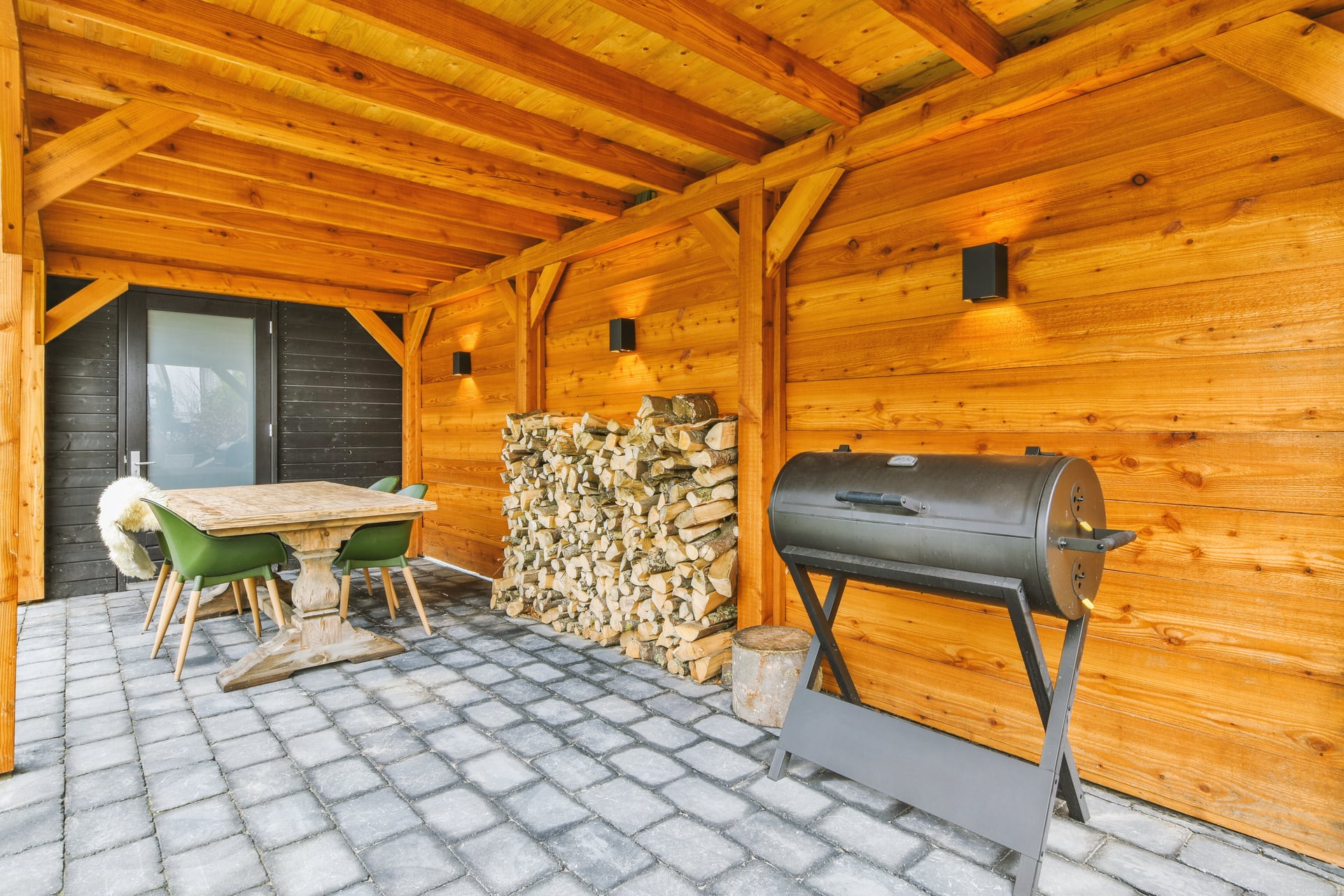
Freestanding grills provide immediate gratification for outdoor cooking enthusiasts. These mobile units can be positioned anywhere on a patio or deck, moved for cleaning or seasonal storage, and easily replaced or upgraded without major renovation projects.
The mobility advantage extends beyond convenience. Renters, frequent movers, or homeowners who like rearranging their outdoor spaces find freestanding grills invaluable. Modern freestanding models now include advanced features like multiple burners, searing zones, and rotisserie kits, bridging the functionality gap with built-in units.
Budget-conscious buyers appreciate the straightforward pricing structure. The purchase price typically covers everything needed to start grilling, though it’s advisable to check local codes regarding propane storage requirements. Many high-quality freestanding grills can be assembled and ready for cooking within hours of delivery.
Cost Comparison: Installation vs Immediate Use
Built-In Installation Requires Professional Gas and Electrical Work
Installing a built-in grill involves complex infrastructure work that extends far beyond placing the unit in position. Gas line extensions must be run from the home’s main supply or a dedicated propane tank location, requiring licensed plumbers who understand local codes and safety regulations.
Electrical requirements add another layer of complexity and cost. Many built-in grills need dedicated electrical circuits for lighting, rotisseries, or electronic ignition systems. This often means trenching for underground conduits, installing weatherproof outlets, and updating electrical panels to handle additional loads.
Freestanding Models Require Minimal Assembly Before Use
Most freestanding grills arrive with straightforward assembly instructions that homeowners can complete in a few hours using basic tools. While attaching a standard propane tank typically doesn’t require special skills, local regulations regarding propane storage and usage can vary, so checking local codes is advisable.
This simplicity translates to immediate enjoyment. Unlike built-in projects that can take weeks or months to complete, freestanding grills can be grilling steaks the same day they arrive. This quick setup appeals to homeowners who want to start entertaining without construction delays.
Long-Term Value Considerations for Your Investment
Thornberry’s adds that while built-in grills cost more initially, their permanence and integration into the home’s structure can provide lasting value benefits. These units typically use higher-grade materials and construction methods, leading to longer service lives and potentially lower replacement costs over decades of use.
Freestanding grills offer different value propositions through flexibility and upgradeability. As grilling technology advances, owners can easily swap units without major renovations. This adaptability particularly benefits technology-focused cooks who want the latest features and innovations.
Durability and Weather Resistance Differences
Premium Built-Ins Feature Marine-Grade 316L Stainless Steel
High-end built-in grills utilize marine-grade 316L stainless steel construction, specifically engineered to withstand harsh outdoor conditions. This premium alloy contains higher nickel and chromium content than standard grades, providing superior corrosion resistance against salt air, acid rain, and temperature extremes.
The permanent installation of built-in units allows manufacturers to use heavier, more durable materials without weight restrictions. Thicker steel construction, reinforced frames, and weather-sealed components contribute to longevity that can span decades with proper maintenance.
Protective Covers Essential for Freestanding Units
Freestanding grills face greater weather exposure challenges due to their portable design requirements. Manufacturers must balance durability with weight and cost considerations, sometimes resulting in thinner materials or less robust weather sealing compared to built-in models.
Quality protective covers become crucial investments for freestanding grill owners. These covers shield units from UV damage, precipitation, and temperature fluctuations that can otherwise accelerate wear and reduce component lifespan. Regular maintenance and seasonal storage further extend freestanding grill service life.
Space and Design Integration Factors
Custom Outdoor Kitchen Layouts Favor Built-Ins
Built-in grills excel in outdoor kitchen designs where every element works together harmoniously. These installations can incorporate surrounding prep areas, storage cabinets, refrigeration units, and entertainment zones into cohesive layouts that maximize both functionality and visual appeal.
The permanent nature allows for creative design solutions like integrated lighting, custom ventilation systems, and specialized storage for grilling accessories. Professional designers can create zones for different cooking methods while maintaining smooth workflow patterns that rival indoor kitchen efficiency.
Small Patios and Rental Properties Suit Freestanding Options
Compact outdoor spaces benefit from freestanding grills’ flexibility and smaller footprints. These units can be positioned optimally for cooking while leaving maximum space for seating and entertainment areas. When not in use, many models can be moved aside or stored to reclaim patio space.
Rental properties present unique challenges where permanent modifications aren’t feasible or cost-effective. Freestanding grills allow tenants to enjoy outdoor cooking without landlord complications or security deposit concerns about property modifications.
Moving and Storage Considerations
Life changes often require housing transitions, and freestanding grills adapt seamlessly to new environments. These portable units can accompany owners through relocations, ensuring cooking continuity regardless of new home layouts or outdoor space configurations.
Seasonal storage becomes simpler with freestanding models. Units can be moved to garages, sheds, or covered areas during harsh weather periods, extending their service life and maintaining optimal performance year-round.
Your Lifestyle Determines the Right Choice for Your Outdoor Kitchen
The built-in versus freestanding decision ultimately reflects how you live, entertain, and view your outdoor space. Frequent entertainers who host large gatherings benefit from built-in efficiency and the impressive presentation that comes with integrated outdoor kitchens. The permanent investment makes sense for homeowners committed to their properties long-term.
Conversely, homeowners who value flexibility, have budget constraints, or face uncertain housing situations find freestanding grills more practical. The ability to upgrade, relocate, or store these units provides options that built-in installations cannot match.
Consider your cooking frequency, entertaining style, available space, and long-term housing plans when making this decision. Both options can create memorable outdoor cooking experiences – the key is choosing the one that aligns with your specific needs and circumstances.
For expert guidance on selecting the perfect grill and outdoor kitchen solutions for your home, consider working with your local household appliance supplier.
Thornberry’s Appliance, Kitchen & Bath
424 New Jersey 35
Red Bank
New Jersey
07701
United States