
London, United Kingdom Nov 12, 2026 (Issuewire.com) – Conceived by the World Bank Group and managed by SIMA, the fund will provide long-term financing to textile, apparel and footwear manufacturers in emerging markets
– World Bank Group and Inditex are its leading investors, alongside FMO, MetLife, Proparco, British International Investment, the Global Environment Facility and the Apparel Impact Institute
– The fund will finance energy-efficiency and renewable-energy projects, water-saving initiatives and measures to reduce industrial pollution
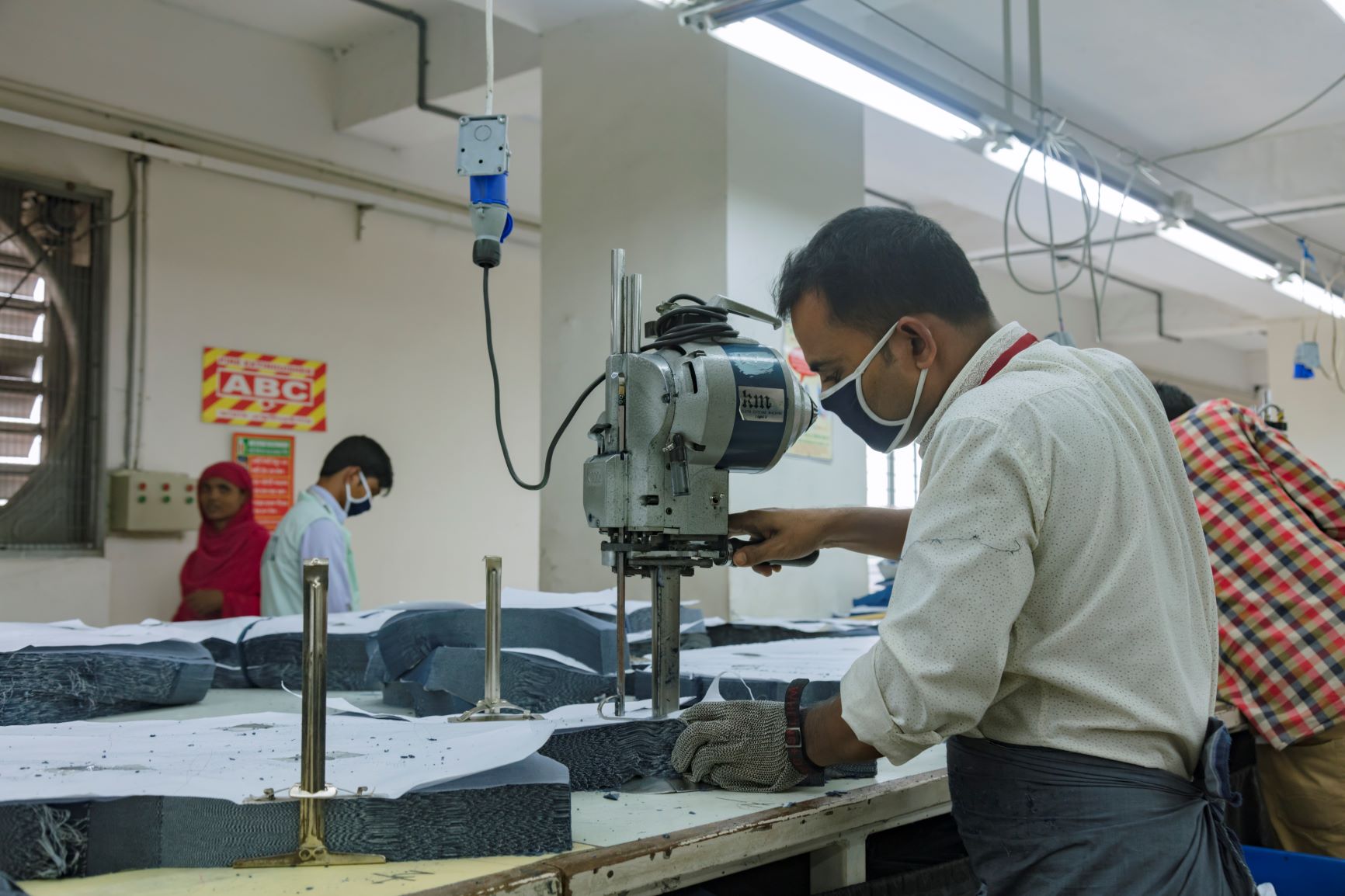
Social Investment Managers & Advisors LLC (SIMA) and the International Finance Corporation (IFC) a member of the World Bank Group focused on the private sector launch the Decarbonization of Textile, Apparel, & Footwear Suppliers (D-TAFS) Fund, the first fund of its kind specifically designed to finance the transformation of textile, apparel and footwear supply chains -mainly small and medium enterprises (SMEs)-, with the aim of mobilising $400 million. This fund will expand access to financing for manufacturers across the textile value chain in emerging markets, helping boost investment to reduce its environmental impact.
The largest investors in D-TAFS are IFC, FMO and the multinational textile company Inditex, which will invest up to $60 million, $50 million and $50 million, respectively. Other participating investors include, FMO (the Netherlands), Proparco (France), British International Investment (UK), the Global Environment Facility (US), MetLife (US) and the Apparel Impact Institute (US). We reached our first close of $232 million, with further mobilization underway to reach our total target of $400 million, with further fundraising rounds planned to bring in additional investors and reach the $400 million target.
Impact in emerging markets
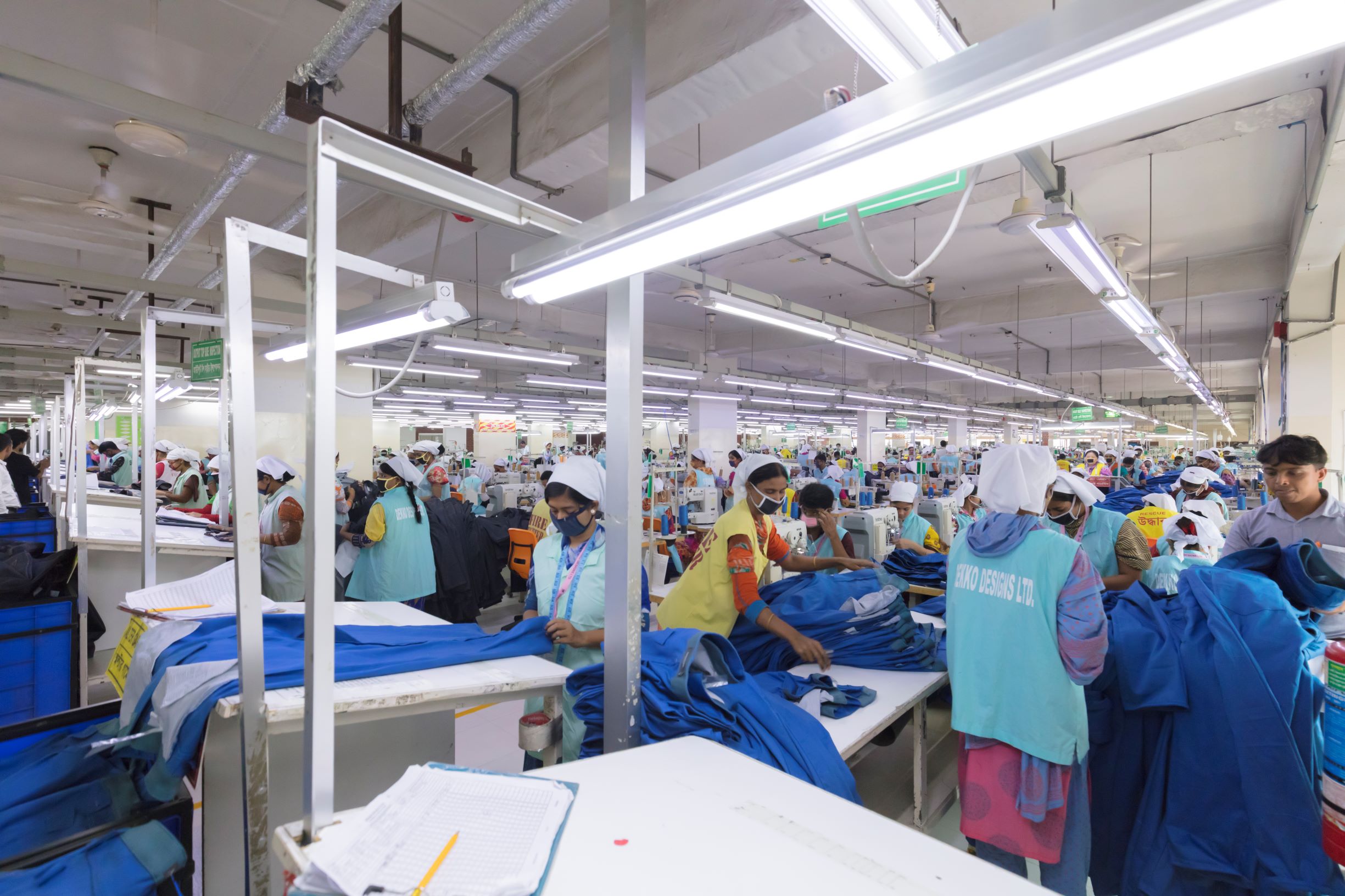
More than 60 million people in emerging markets the majority of whom are women are employed in the textile and apparel manufacturing sector, which is under increasing pressure to improve energy efficiency and reduce emissions. Yet many of the SMEs that make up the supply chains cannot access the financing needed to invest in new technologies which will allow them to reduce their impact on the environment.
The small and medium-sized suppliers at the heart of global brand supply chains need access to affordable, appropriately structured financing to stay competitive. This new fund brings together leading brands, investors, and suppliers around a shared solution mobilizing capital to improve productivity, energy efficiency, operational resilience, and to sustain quality jobs, said Sarvesh Suri, IFC Regional Vice President, Asia & the Pacific.
D-TAFS addresses this gap by providing commercial debt financing at preferential conditions tailored to meet the needs of suppliers in developing countries. Financing is paired with technical assistance to help borrowers identify, structure, and implement projects. It will support projects at different levels of the supply chain, from garment manufacturers to yarn and fabric suppliers across Asia, the Middle East, North Africa and Latin America.
The fund is structured across two sub-funds: one providing loans directly to textile and apparel manufacturers, and one financing energy service companies and distributed energy developers working with those suppliers.
Financing for specific investments and measurable results
The fund will finance projects that contribute to the reduction of greenhouse gas emissions, improve energy and water efficiency, and lessen the textile industrys environmental impact. Eligible initiatives include installing renewable energy systems; replacing or upgrading machinery; improving boilers and other equipment; optimising processes; reusing water; and treating wastewater. The fund will also support initiatives to improve the use of chemicals in textile production.
To apply for financing, each company will need to submit a structured plan identifying its factories needs, planned investments and related environmental targets. Each project will be assessed for its viability, and indicators will be established to measure progress and the results of the investments.
Transforming supply chains requires the industry to work together and manufacturers to have access to both technical expertise and the financing needed to make these investments. At Inditex, we have been working for more than two years with our suppliers to understand their factories needs and develop tailored transformation plans through independent engineering consultancy. D-TAFS can help take the next step: turning already identified improvements into investments and measurable results and enabling the transformation of the industry said Óscar García Maceiras, CEO of Inditex.
To ensure the funds effectiveness, an accountability process will be carried out every four months, including reporting on and analysing the environmental results achieved through the measures financed, with a specific focus on measuring emissions reductions.
At SIMA, we have learned that availability of capital alone does not build projects. Factory owners may know they need to replace a boiler or invest in renewable energy, but without customized loan structuring, appropriate terms and implementation support those projects can languish as paper studies only. We are finally offering a solution that is financially attractive and scalable, through proven experience supporting sustainable solutions in this important value chain for many years. This is not just about financing – it is about proving that you can deliver climate impact, meet market demands and strengthen competitiveness and resilience, all at once. When the World Bank Group, Inditex as a consistent global leading Brand, and SIMA come together with leading global investors like FMO, Proparco, BII and AII, we turn a supply chain problem into an investable solution, shared Asad Mahmood, CEO, SIMA Funds.
Comments from investing partners
Apparel Impact Institute (AII) president, Lewis Perkins:
Suppliers are at the heart of apparel decarbonization, but many solutions require significant upfront investment, and access to financing remains a major barrier. D-TAFS helps turn proven climate solutions into investable projects, giving suppliers a pathway to implement and scale decarbonization.
British International Investments (BII) CEO, Leslie Maasdorp:
Leslie Maasdorp, Chief Executive Officer of British International Investment, said: Decarbonising fashion starts long before clothes reach the shop floor. It starts in the factories and supply chains where they are made. By helping textile manufacturers in emerging markets invest in renewable energy, efficient machinery and cleaner production, our investment through D-TAFS is helping to unlock the long-term finance suppliers need to make those investments, reducing emissions at source and supporting a more sustainable and resilient textile industry that ultimately serves consumers in the UK and around the world.
FMO Director Energy, Marnix Monsfort:
Renewable energy has an important role to play in decarbonizing textile manufacturing. FMO is proud to support energy developers and service providers that bring clean and efficient energy solutions to manufacturers. Through D-TAFS, we are building on our long-standing partnership with SIMA to scale these solutions across the sector.
Global Environment Facility (GEF) CEO and Chairperson Diego Mesa Puyo:
The GEF is proud to support this new fund, which will produce many economic as well as environmental benefits by helping the factories supplying major apparel brands reduce their energy and water use and improve how they handle hazardous chemicals and waste, said GEF CEO and Chairperson Diego Mesa Puyo. Our blended inance portfolio enables us to take on risk that others cant, opening the doors for private capital to invest in cleaner, more efficient supply chains. We are also providing technical assistance to address industry-specific pollutants in a systemic way. We see great potential in this work that facilitates major change and propels economic growth in environmentally positive activities.
PROPARCO Deputy CEO, Emmanuelle Riedel-Drouin:
Transforming the textile industry requires investment in cleaner technologies, resource efficiency and new models of production. D-TAFS can help bring these solutions to more suppliers, supporting a more resilient and sustainable industrial sector in emerging markets.
For more information, write to info@simafunds.com / smruti@simafunds.com
About SIMA
Social Investment Managers & Advisors (SIMA) is an SEC-registered impact asset manager founded in 2016 by Asad Mahmood and Michael Rauenhorst. SIMA invests across renewable energy access, financial inclusion, and affordable housing in emerging markets in Africa and Asia. The firm bridges the gap between institutional capital and underserved, high-impact sectors by pairing them with hands-on operational and technical assistance, all of which collectively address complex environmental and social challenges. The firm has closed 6 impact funds totalling more than $630 million, serving 173+ borrowers across 25 countries.
For more information, visit www.simafunds.com.

Source :SIMA Funds LLC
This article was originally published by IssueWire. Read the original article here.


