SOUTH BEND, IN, UNITED STATES, November 12, 2026 /EINPresswire.com/ — The geography of professional and academic travel is experiencing a structural shift as knowledge-based organizations increasingly choose walkable, mixed-use innovation districts over conventional downtown corporate centers or isolated suburban office developments. According to market data published by the Brookings Institution, walkable urban spaces—frequently anchored by major research universities and civic institutions—generate outsized economic output and demand a 75% commercial rent premium compared to traditional, vehicle-dependent business models. Concurrently, tracking from global urban planning indices indicates a macro-environmental pivot toward place-based ecosystem designs that integrate corporate laboratories, technology incubators, and academic infrastructure. This integration supports continuous strategic collaboration, prompting multi-regional companies and specialized consulting firms to cluster overnight business stays directly inside localized, campus-adjacent real estate projects.
This movement toward localized corporate and academic micro-mobility is changing how out-of-town consultants, corporate recruiters, and research specialists manage their field logistics. When reviewing and selecting functional hotels near University of Notre Dame campus, visiting corporate teams and institutional advisors are shifting their travel itineraries away from centralized financial districts in favor of dense, mixed-use corridors. Analytical data from the Global Business Travel Association (GBTA) indicates that roughly 62% of corporate travelers now prioritize overnight lodging that provides direct pedestrian access to post-work dining and localized networking hubs. By adjusting the geographic focus of their regional assignments, corporate road warriors are maximizing daytime executive focus while lowering total internal travel friction and transportation overruns.
The development of dedicated academic gateway corridors, such as Eddy Street Commons, reflects the physical application of this distributed urban planning model within the regional hospitality landscape. Functioning as a high-density, pedestrian-centric axis situated directly at the perimeter of the primary institutional core, this sub-market allows transient researchers to transition directly from private workspace environments to university research complexes, including Innovation Park, without relying on private or commercial vehicular transport. This structural layout provides an efficient alternative to traditional commuter corridors, permitting professional travelers to finalize daylight strategy blocks and immediately access decentralized neighborhood bistros or localized dining options within a uniform, walkable framework.
Hospitality assets located within these mixed-use gateway spaces are adjusting their structural layouts to match the precise workflow requirements of this incoming class of technical and academic professionals. The Fairfield by Marriott Inn & Suites South Bend at Notre Dame serves as an empirical example of a property aligned with these shifting corporate traffic patterns. Positioned at the threshold of the campus gateway, the property allows travelers to walk to university venues in a matter of minutes, eliminating the logistical variables of campus driving loops and localized parking restrictions. The configuration of the property addresses the rising demand from enterprise procurement officers for high-utility base camps that incorporate dedicated in-room digital environments to sustain remote work deadlines.
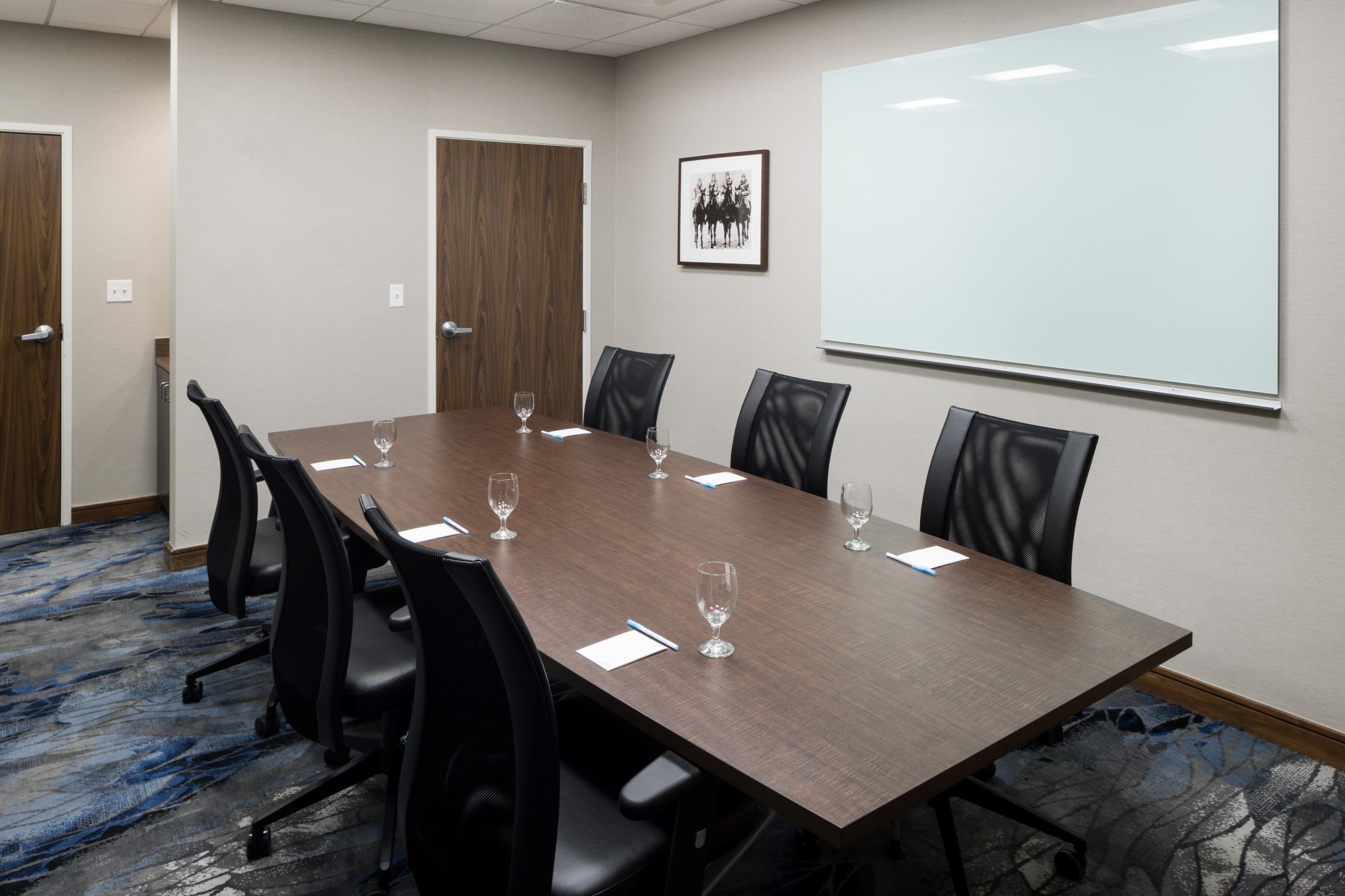
The technical layout of the Fairfield by Marriott Inn & Suites South Bend at Notre Dame comprises a five-story architectural structure containing a total inventory of 119 air-conditioned guestrooms and suite accommodations. The property incorporates 861 square feet of dedicated indoor conference and event infrastructure partitioned to facilitate small-group briefings, academic evaluations, or corporate board presentations. Additional on-site functional assets include an indoor swimming pool, a dedicated fitness facility, a 24-hour self-service business center, and an on-site snack bar and deli market layout. Individual guest units are standardly configured with specialized ergonomic desks, dedicated office seating, high-speed wireless connectivity, in-room safes, coffee makers, and flat-screen Smart TVs equipped with digital satellite programming configurations.
Laurean Love
HHM Hotels
+1 215-238-1046
email us here
Visit us on social media:
LinkedIn
Facebook
Other
Legal Disclaimer:
EIN Presswire provides this news content “as is” without warranty of any kind. We do not accept any responsibility or liability
for the accuracy, content, images, videos, licenses, completeness, legality, or reliability of the information contained in this
article. If you have any complaints or copyright issues related to this article, kindly contact the author above.

Media gallery