WILLIAMSBURG, VA, UNITED STATES, November 12, 2026 /EINPresswire.com/ — The structure of domestic family travel is experiencing an operational evolution as multi-generational cohorts prioritize high-contrast, varied itineraries to manage destination fatigue. According to the 2025 US Family Travel Survey conducted by the Family Travel Association (FTA) and the NYU School of Professional Studies, children aged 7 to 18 are increasingly exercising significant co-piloting influence over vacation structures. The survey notes that 61% of parents report that active child participation in itinerary design directly improves young travelers’ engagement and general happiness during a trip. However, maintaining this elevated engagement within historic or institutional tourism sectors introduces distinct logistical hurdles, forcing family organizers to balance intensive educational content with immediate, low-stakes entertainment to minimize behavioral burnout.
This focus on balanced activity pacing is redefining how modern trip coordinators design regional excursions. When evaluating accommodation baselines and sourcing viable family hotels near Colonial Williamsburg, contemporary planners are transitioning away from rigid, single-focus academic programs. Market insights indicate that family travelers are deliberately weaving brief, high-contrast pop-culture interventions—such as interactive science galleries, sensory illusions, and recreational mini-golf networks—directly into their daylight schedules. This architectural layout of activities establishes a restorative cadence, giving youth cohorts a necessary psychological break between structured museum blocks without derailing the overall educational goals of the trip.
The Richmond Road commercial corridor in Williamsburg serves as a functional geographic setting for this diversified travel model. Situated immediately outside the perimeter of the historical preservation district, this sub-market replaces the formal, highly rule-based atmosphere of living-history installations with an accessible, low-density retail layout. This positioning allows visiting travel parties to step away from 18th-century historical sites and engage with contemporary family amusements, including local optical illusion exhibits and themed miniature golf courses, within minutes. This configuration permits immediate physical decompression, allowing families to reset their itineraries without the operational friction of long-distance driving loops or extensive multi-vehicle parking management.
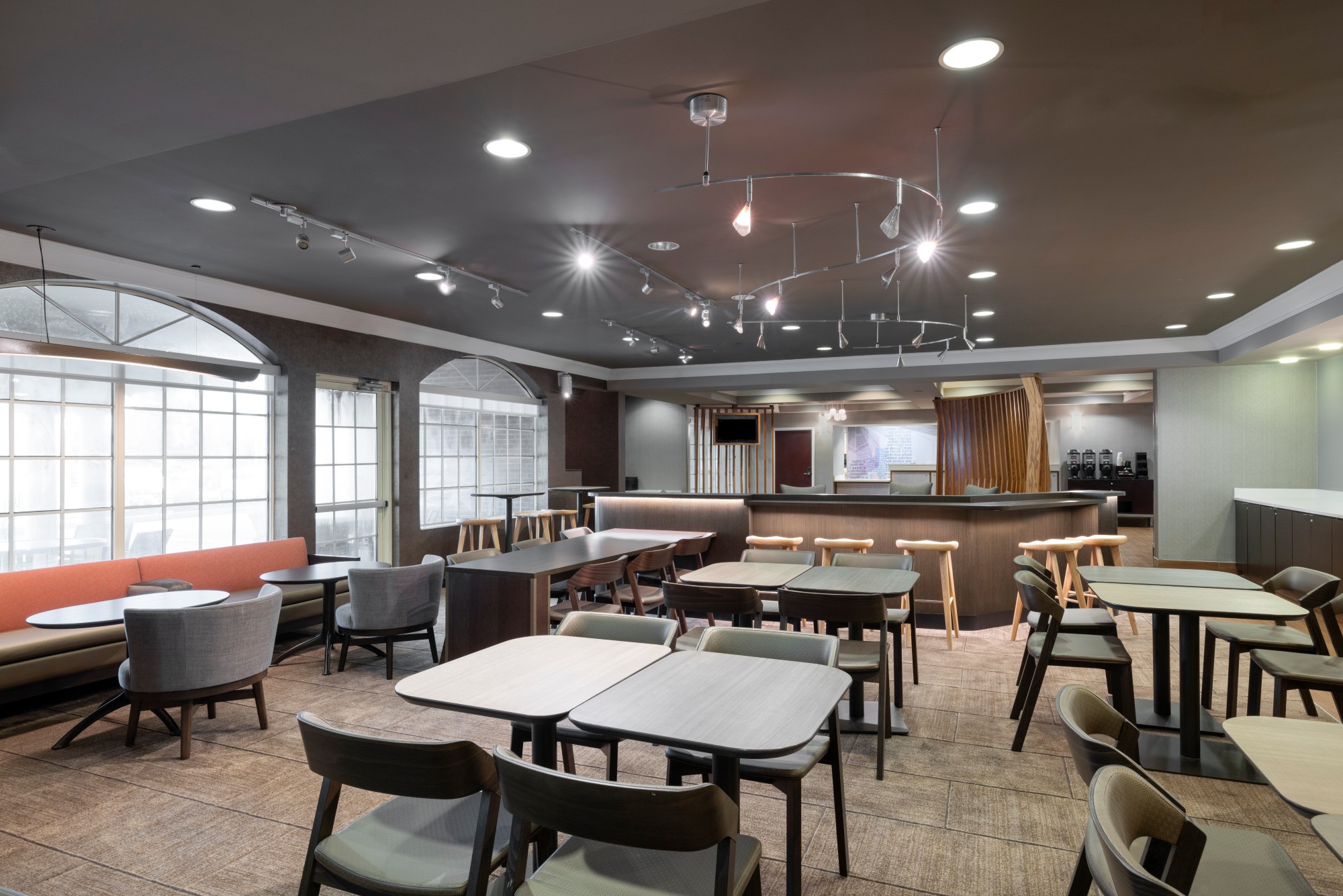
Hospitality operators situated within this secondary commercial tract are configuring their physical spaces to match the functional recovery needs of these multi-activity family groups. The SpringHill Suites by Marriott Williamsburg operates as a practical example of a hospitality asset aligned with these changing consumer routing habits. Located within a short pedestrian path of regional novelty installations and family amusement venues, the property functions as an alternative base camp that removes the necessity of loading up vehicles for quick mid-day schedule shifts. This spatial strategy supports the demand for localized spatial depth, enabling travel groups to step away from intense historical zones into a relaxed environment that accommodates independent group schedules.
Architecturally, the SpringHill Suites by Marriott Williamsburg comprises a four-story single-building footprint constructed in 2000, housing a total inventory of 120 all-suite guest units. The guest suites are configured to provide 25% more physical area than traditional, compact metropolitan hotel rooms, featuring 345-square-foot King layouts and 416-to-510-square-foot Queen suites standardly outfitted with double sofa beds and integrated trundle bedding systems. In-room infrastructure includes a dedicated kitchenette layout equipped with a mini-refrigerator, a microwave, and a coffee/tea maker. On-site functional assets encompass a heated indoor swimming pool, a 24-hour self-service business center, a fitness room with contemporary cardiovascular training machinery, and a complimentary uncovered self-parking facility designed to facilitate multi-vehicle family logistics. Guest units are standardized with separate sitting zones, executive desks, laptop-friendly workspaces, blackout drapes, and 26-inch flat-screen televisions configured with premium cable and streaming network interfaces.
Laurean Love
HHM Hotels
+1 215-238-1046
email us here
Visit us on social media:
LinkedIn
Facebook
Other
Legal Disclaimer:
EIN Presswire provides this news content “as is” without warranty of any kind. We do not accept any responsibility or liability
for the accuracy, content, images, videos, licenses, completeness, legality, or reliability of the information contained in this
article. If you have any complaints or copyright issues related to this article, kindly contact the author above.

Media gallery